
Wikimedia UK is proud to be collaborating on a new project exploring how Wikidata and Linked Open Data can help create a more connected digital infrastructure for the UK’s cultural heritage sector.
The project forms part of the National Research Infrastructure for Cultural Heritage (N-RICH) Prototype, a two-year initiative funded through UK Research and Innovation (UKRI)and delivered by Towards a National Collection (TaNC) in collaboration with the Arts and Humanities Research Council (AHRC).
Working alongside the N-RICH team and project lead Navino Evans, Wikimedia UK will help explore how Wikidata could act as a shared connective layer between cultural heritage collections, data services and research infrastructures across the UK. Many cultural organisations already use Wikidata to enrich individual collection records. This project goes a step further by testing whether Wikidata can help different systems and services connect with one another, making information easier to discover, understand and reuse across institutional boundaries.
For Wikimedia UK, the project strongly reflects our commitment to open knowledge and to supporting the cultural heritage sector to make collections more accessible, connected and useful. Wikidata’s open, collaborative and machine-readable model offers significant potential to help institutions build links between people, places, organisations, events, objects and ideas, while placing UK collections within a much wider global knowledge ecosystem.
The project will test real-world workflows, data models and linking approaches, while also examining challenges around metadata, licensing, technical interoperability and long-term maintenance.
Its outputs will include a Wikidata interoperability blueprint for UK heritage infrastructure, a Wikidata-compatible metadata framework, and practical guidance for organisations looking to incorporate Linked Open Data into future systems and services.
The findings will contribute to the wider N-RICH Prototype and help build evidence for what a more open, interoperable and sustainable national digital research infrastructure for cultural heritage could look like.
From 21–25 July 2026, Wikimedians from around the world gathered in Paris for Wikimania 2026, the annual conference celebrating the people, projects and communities behind the Wikimedia movement. This year, we supported our largest-ever contingent of staff, trustees and volunteers to attend. For some, it was their first experience while for others, it was an opportunity to reconnect with friends and partnerships built up over many years..
The theme, Liberté, Équité, Fiabilité (Freedom, Equity, Reliability) felt particularly timely. As Wikipedia celebrates its 25th anniversary, the questions facing open knowledge have rarely felt more urgent. Those big questions sat alongside something equally important: the opportunity simply to be together.
We asked some of those whose attendance we supported to share what stayed with them after Paris.
Putting faces to usernames – Lucy Hinnie (Staff)
For Lucy, one of the strongest memories was simply being together. “Seeing (almost) everyone in one room for the UK and Ireland meetup, putting faces to names, meeting new people and creating a fun space for connection.”
Other memorable moments included the Wikimedia Choir and WikiOrchestra at the closing ceremony, featuring the other Lucy, our Chief Executive and the opportunity for a group swim in the Seine, which was “beautiful, surreal and much needed in the Paris heat.”
The Internet-in-a-Box session led by Wiki Project Med also left a lasting impression. The project helps bring offline access to digital resources, including Wikipedia, to communities and classrooms where reliable internet connectivity can be difficult.
But Lucy’s biggest takeaway was closer to home. “There’s a thriving community and an excellent support network here in the UK and Ireland, and we’re all looking for the same thing, to share in the movement together and do the best work we can to make knowledge accessible and open.”
“The barrier isn’t editing. It’s joining the community.” – Sara Thomas (Staff)
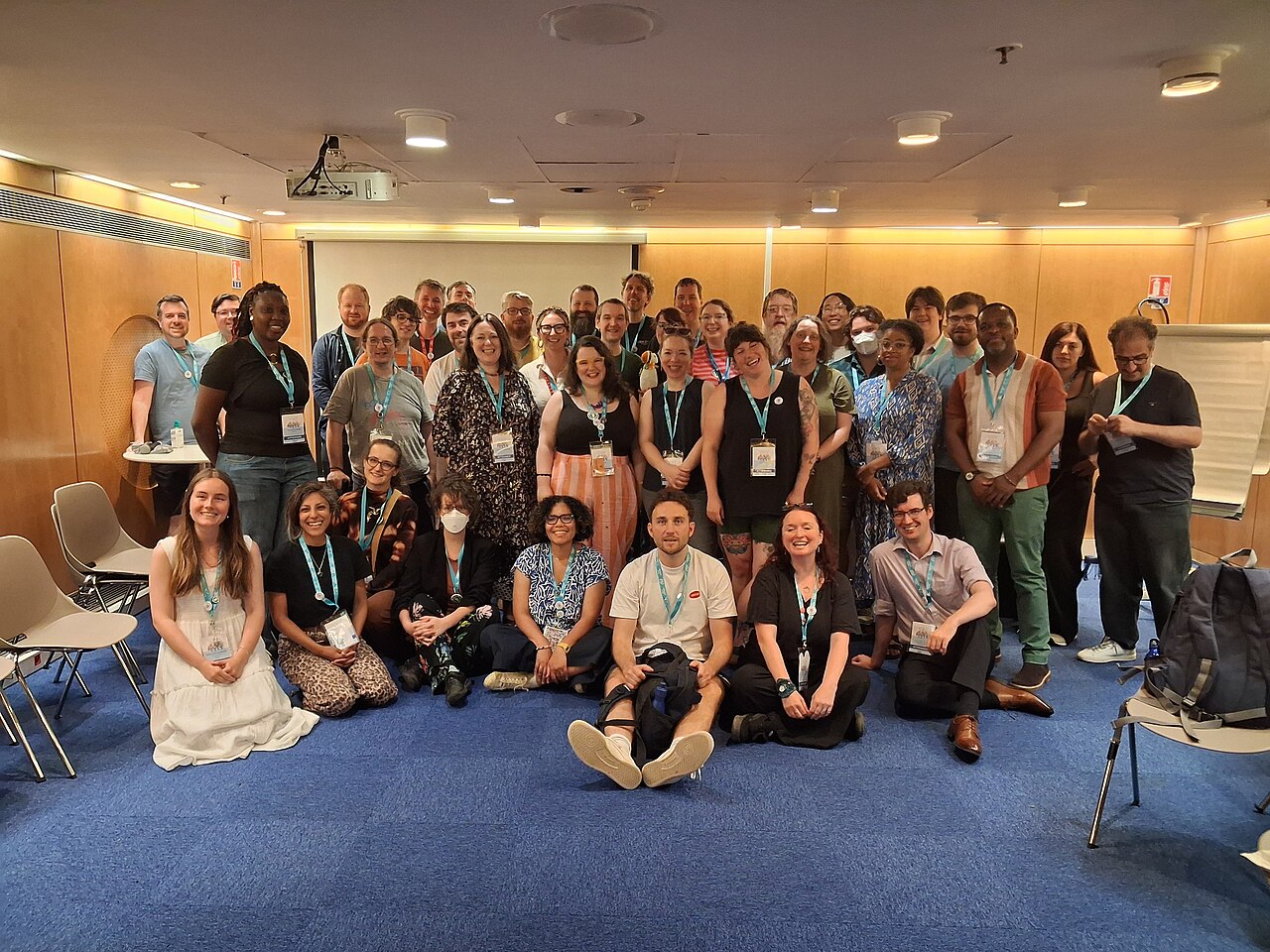
As an editor, Sara got to witness a little piece of Wikimedia history, user:PMG making their 10 millionth edit live during a session. Wikimania also provided an opportunity to discover new gadgets and tools, some of which will now make their way into the resources we suggest to people interested in contributing to Wikimedia projects.
Sara was able to attend Wikimania through her work as co-lead of the Volunteer Supporters Network (VSN) hub pilot. So her personal objectives were linked to supporting volunteers, learning from others doing similar work across the movement and identifying ideas that could be applied to work in the UK.
One session in particular, led by Merle and Martin Rulsch from Wikimedia Deutschland, has continued to resonate: “The barrier isn’t editing. It’s joining the community.” It’s an important distinction. Teaching someone the mechanics of making an edit is one thing; helping them feel part of a community, confident enough to participate and supported enough to remain involved is something else entirely.
Sara said: “I also had several excellent conversations with members of the UK community which are percolating, and will influence my work over the next year.”
Preserving languages because they matter – Martin Poulter (Volunteer)
Questions of whose knowledge is recorded, and who gets to decide how, stood out for Martin. One particular session brought together people working to preserve Māori, Mapudungún and Atikamekw languages, representing Indigenous communities across three different continents. “Each project is being led by the Indigenous communities themselves, making use of Wiktionary, Wikidata and other platforms provided freely by Wikimedia.”
For Martin, who works to promote cultural diversity on Wikipedia, the session highlighted something distinctive about Wikimedia’s model. “The ethos of involving and respecting all cultures, not just with platitudes but with action, pervaded the conference.”
It also prompted a wider question about the infrastructure on which cultural knowledge is preserved. “Would the for-profit tech giants preserve the diversity of the world’s languages, even languages spoken by a small community? There’s no money to be made from this, and no reason the records of an Indigenous culture should be the property of some Western corporation.”
In a conference shaped by conversations about the future of the internet, it was a powerful reminder that an open knowledge ecosystem is not only about making existing information accessible. It can also create infrastructure through which communities preserve and share knowledge on their own terms.
Seeing the scale of the movement – George Colburn (Staff)
For George, his first Wikimania transformed relationships that until then had existed mainly through video calls.
“My personal highlight of Wikimania was meeting members of other Wikimedia chapters who I had previously only ever known through Zoom calls! As it was my first Wikimania, it was incredible to be surrounded by so many passionate people from across the movement, all working towards the same goal.”
“Speaking with other fundraisers made me realise how much the perception of Wikimedia has changed for the better in recent years. As new technologies and online challenges emerge, Wikimedia is increasingly seen as a cornerstone of open, democratic and trustworthy knowledge.”
Hearing similar observations from fundraisers elsewhere in the movement was inspirational but above all, Paris revealed the full scale of the movement for George.
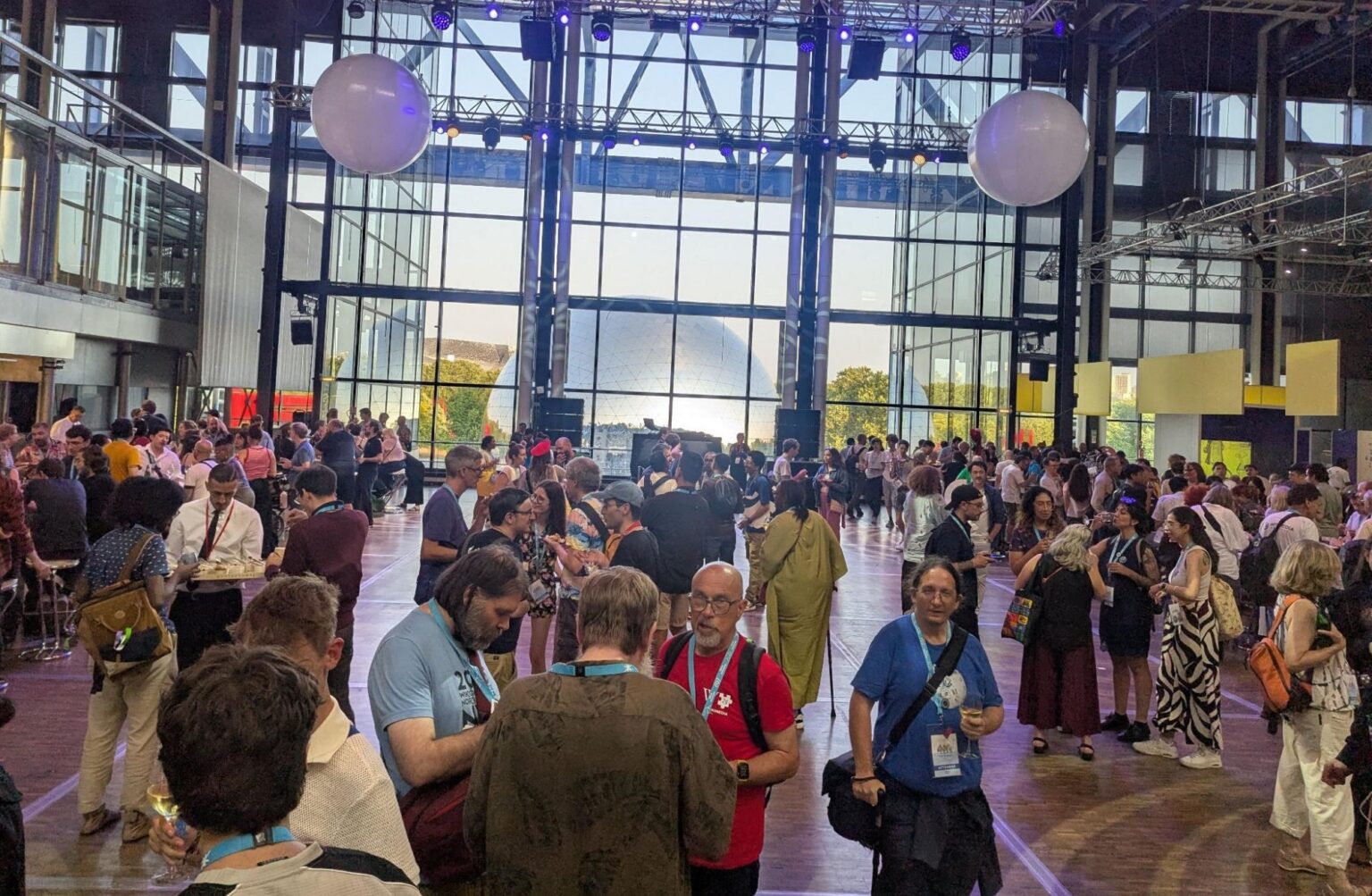
“There are so many people involved, from so many different countries and backgrounds, and the passion and commitment across the community is remarkable. It was a great reminder that Wikimedia UK is part of something much bigger.”
A first Wikimania, and a love of editing – Joanna Baines (Volunteer)
This was Joanna’s first Wikimania experience and it had an immediate impact. “It was honestly life-changing to spend so much time with the wonderful Wiki community. This has been the highlight of my year!”
She enjoyed discovering just how creative people across the movement are. Finding the Wikimedia LGBT+ community was a particular highlight, alongside witnessing projects like Wiki games, Tamsin Braisher’s guide to Wikifying a conference, Daria’s work on the information literacy skills of conspiracy theorists, Sara’s Navigating Challenging Topics, and resources supporting people editing LGBT+ biographies on Wikipedia.
But perhaps the best indication of Wikimania 2026’s impact came after returning home.
“The main thing I’ve brought back from Wikimania is an increased love of editing, I’m already doing so much more after hours, sorry cosy Switch games, and the biggest smile.”
“I’m also telling everyone who mentions Wiki that if they love it, donate to us, and visit our sites rather than using LLMs!”
A positive use for AI, renewed hope and Parisian castles! – Richard Nevell (Staff)
Richard has been involved in the Wikimedia movement for 20 years, but Paris was only his third Wikimania. Even after two decades, one thing has not changed for him: “Nothing beats meeting people you’ve been working with for years.”
Enthusiastic about the possibilities of technology but without ignoring the challenges it creates, Richard describes himself as a “techno-realist”. Unsurprisingly, AI was high on his agenda. “AI is a significant challenge to our digital world, and I hope that Wikipedia can be a bastion of knowledge in an age where it’s easy to be overwhelmed by junk.”
One of the first sessions he attended offered a glimpse of how AI might also be put to constructive use. Internet Archive Europe and Erasmus.AI are developing a tool designed to help Wikipedia editors investigate unsourced claims. An editor can submit a passage, and the tool searches a vast collection of academic material for sources that might support or contradict it. This represented, for Richard, the kind of relationship between AI and Wikipedia that’s worth exploring – technology assisting human judgement rather than attempting to replace it.
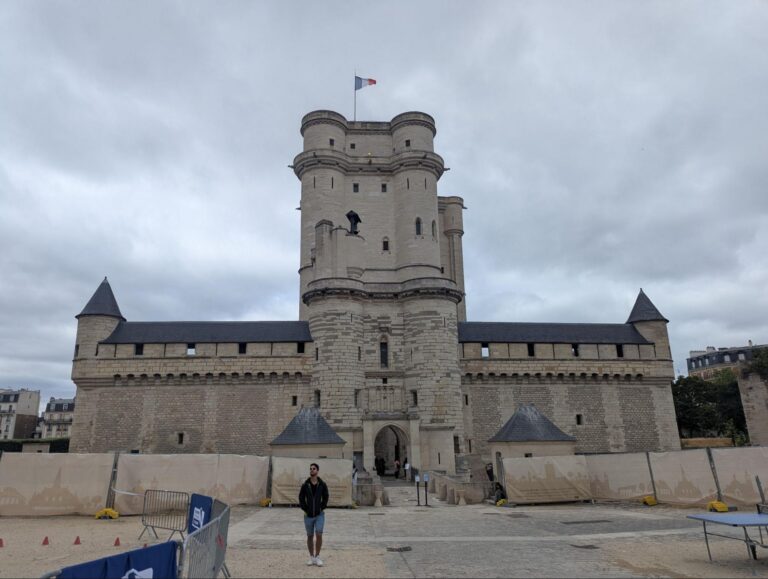
His biggest takeaway from Paris was succinct:“The most valuable thing I’ve brought back from Wikimania is renewed hope.” And, because every Wikimania experience needs a little room for personal interests: “I did also find time to visit a castle!”
Beyond Wikimania Paris
There’s no single Wikimania experience. For some, Paris was about discovering a project or practical tool they can use in their work. For others, it prompted bigger questions about AI, cultural sovereignty, community-building, language preservation and who controls the infrastructure of knowledge.
And for many, the most important moments were intensely human: finally meeting a long-time collaborator face to face; discovering a community they didn’t know existed; sharing ideas over a meal; singing in an orchestra; or even swimming together in the Seine.
What connects these reflections is a renewed sense of belonging and possibility.
Wikipedia’s 25th anniversary is an opportunity to celebrate an extraordinary achievement, but Wikimania Paris was also a reminder that free knowledge is not something we can take for granted. It depends on people: people willing to contribute, question, verify, translate, preserve, welcome newcomers and build communities around a belief that knowledge should be available to everyone. We came back from Paris with new ideas, new relationships and plenty to think about. But perhaps the most valuable thing we brought home was the reminder that none of us is doing this work alone.
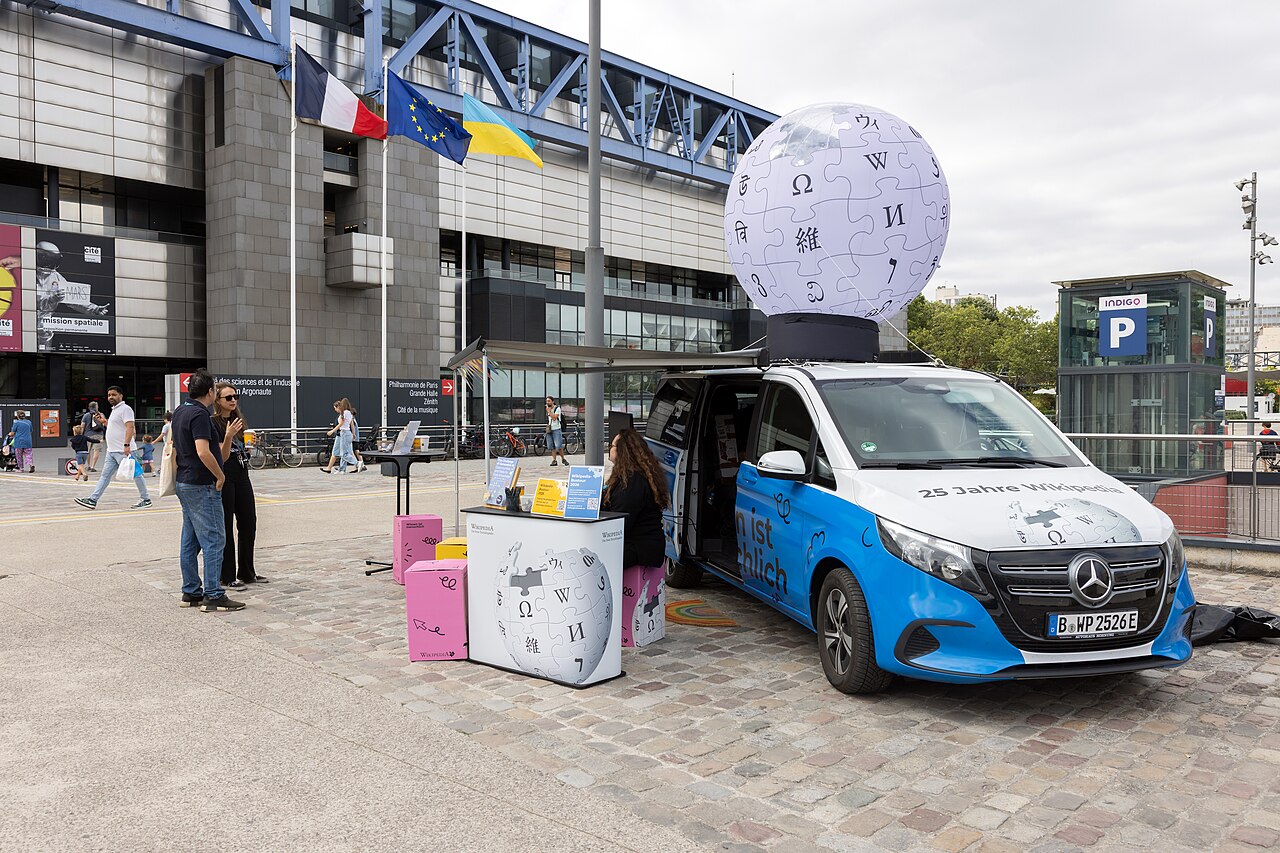
If these reflections have inspired you, you can help us continue supporting the people, communities and projects that keep free knowledge open and accessible to all. Please consider making a donation to Wikimedia UK and help sustain this vital work
Wikimedia UK has been informed of a data security incident involving Beacon CRM, the platform we use to manage our contacts database.
Beacon detected the incident on 29 July 2026 and informed us on 3 August. Beacon’s current understanding is that compromised login details were used to access its systems and download copies of database backups. Their investigation is ongoing and, at this stage, we are not aware of the information having been published online or misused.
Beacon has secured its systems and is investigating the incident with external cyber-security specialists. It has also informed the relevant authorities.
Wikimedia UK has revoked and reconnected all Beacon integrations and security keys, including connections with forms, payment services and email platforms. We have also reported the incident to the Information Commissioner’s Office.
Following an internal risk assessment, we have decided that the information currently available and the type of data we hold do not warrant contacting all members, donors and other contacts directly. We do not store sensitive personal information, dates of birth, bank details or full payment-card details in Beacon. We have contacted our volunteers directly because their records may include information about their volunteering relationship with Wikimedia UK, as well as basic contact details.
There is no action that individuals need to take at this time. However as a general precaution, please remain alert to unexpected emails or messages claiming to be from Wikimedia UK or Beacon.
Beacon is continuing its investigation and strengthening its security measures. We will monitor developments closely and will contact individuals directly if further information identifies a specific risk or action they should take.
We recognise that incidents of this kind can be unsettling. Please be assured that we are doing everything within our control to protect your information and maintain the highest possible standards of data security.
Anyone with questions or concerns can contact us at: info@wikimedia.org.uk.
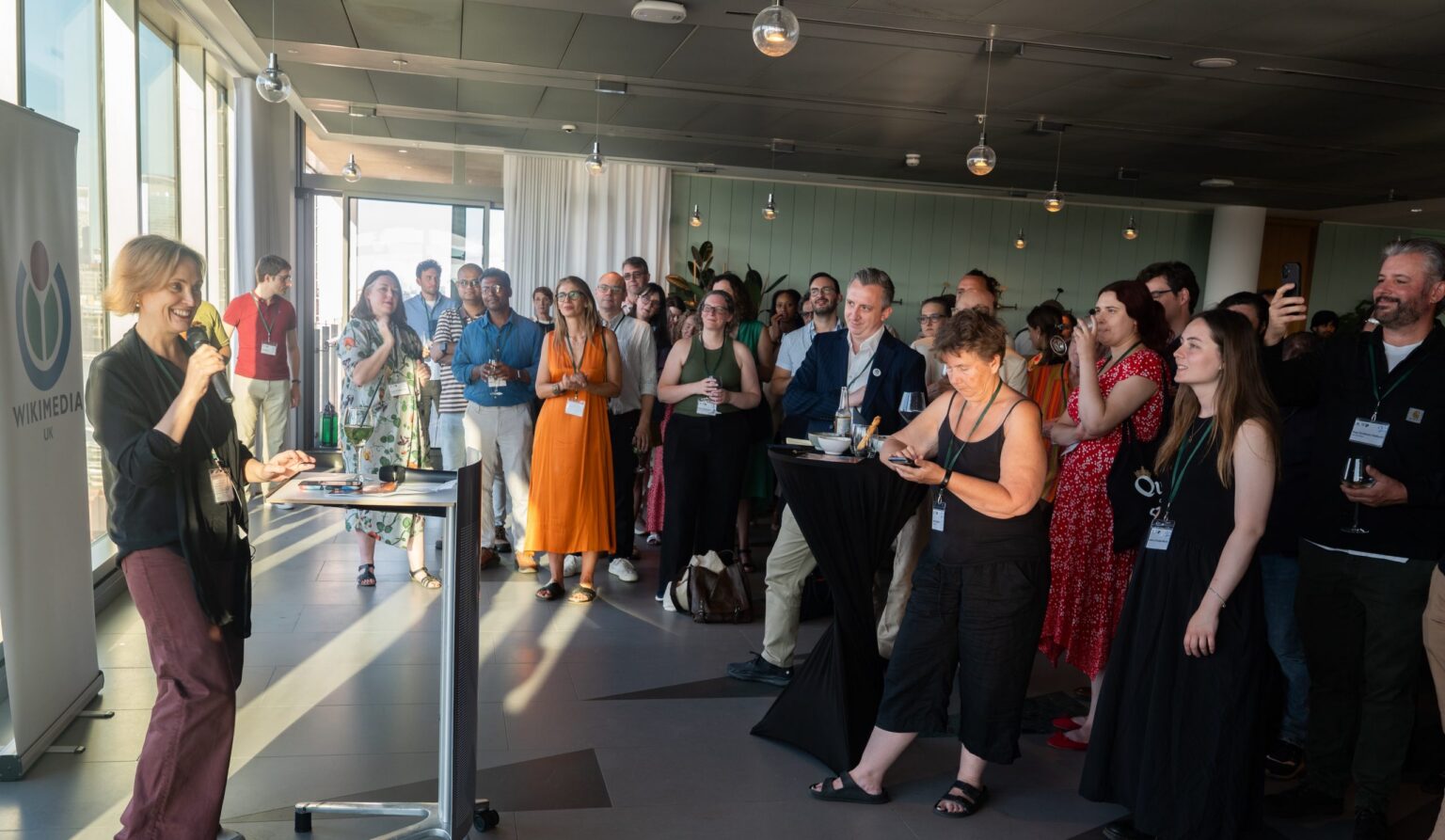
On Friday 3 July 2026, Wikimedia UK hosted its Big Birthday Party in London, bringing together an inspiring mix of people to celebrate two major milestones: 25 years of Wikipedia and 15 years of Wikimedia UK as a registered charity.
The event brought together editors with two decades of contribution behind them alongside newer volunteers, partners, leaders from the open knowledge sector, policymakers, staff, trustees, members, funders and donors. It was a powerful reminder of the breadth, generosity and commitment of the community that has helped make Wikimedia’s mission real in the UK.
From its beginnings in 2001, Wikipedia has grown into a global public resource spanning more than 300 language editions and a vibrant network of sister projects. Every day, it helps billions of people explore ideas, answer questions and follow their curiosity.
At a time when reliable information, media literacy and public access to knowledge matter more than ever, the gathering was also an opportunity to reflect on the continuing importance of Wikimedia UK’s mission: enabling people in the UK to engage with open knowledge, access reliable information, develop their understanding of the world and make informed decisions about issues that affect them.
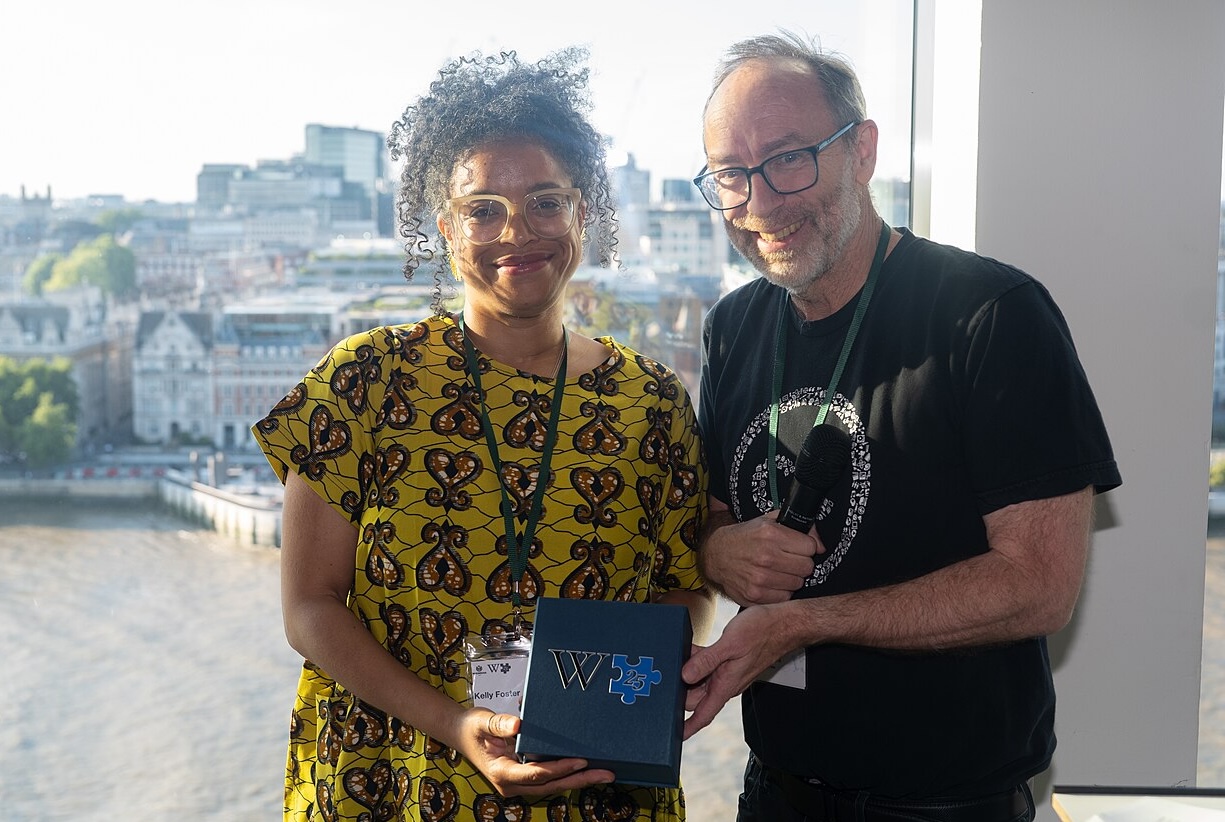
We were honoured to welcome Wikipedia co-founder Jimmy Wales as our guest of honour. Jimmy presented Wikimedia UK’s Silver Jubilee Awards, recognising volunteers whose contributions have had a lasting impact on the UK Wikimedia community over the past 25 years.
Silver Jubilee Award nominees
There were more than 20 nominations for 18 potential recipients. The five award winners were proposed by a small subcommittee and approved by Wikimedia UK’s Board of Trustees.
Below is the full list of nominees:
Alice White, Andy Mabbett, Daria Cybulska, Ed Saperia, Ewan McAndrew, Femke Nijsse, Jason Evans, Jess Wade, Kelly Foster, Kirsty Ross, Lucy Hinnie, Lucy Moore, Martin Poulter, Mike Peel, User, Roger Bamkin, Sammy Fox and Zeyi He.
Silver Jubilee Award winners
Huge congratulations to the five Silver Jubilee Award winners.
Andy Mabbett
Andy’s volunteer work is a huge part of Wikimedia UK’s story, and of Wikimedia more broadly, since he began editing in 2003. He has given training, run events, built partnerships and been a mine of knowledge and insight for other volunteers.
Andy was an early adopter of the Wikimedian in Residence model and pioneered ways for institutions to share open knowledge, including through residencies at the Royal Society of Chemistry, ARKive, a charity documenting threatened species, and the Disruptive Media Learning Lab at Coventry University.
Andy also set up the Voice Intro Project, encouraging the subjects of Wikipedia articles to record their own voices. The project famously resulted in a recording made aboard the International Space Station.
Throughout his work, Andy has consistently championed inclusion, particularly the accessibility of Wikimedia projects for users with disabilities. He has remained committed to the vision that we are not simply building websites, but sharing knowledge freely with everyone.
Kelly Foster
Kelly has been a driving force in supporting the addition of content about Black people, who have historically been underrepresented on Wikimedia projects, as well as in training new editors. She has been part of the Wikimedia movement since 2012 and began volunteering with Wikimedia UK in 2016.
Kelly exemplifies leadership and vision. She has served as a trustee of Wikimedia UK and worked as a Wikimedian in Residence with the Making African Connections research project. She is an excellent trainer and advocate, inspiring new contributors and helping organisations understand the value of Wikimedia.
Kelly combines enthusiasm with informed and necessary criticism. She has consistently encouraged the Wikimedia movement to engage with the legacy of colonialism in shaping the world we work in. She reminds us that open knowledge is a transformative project that should challenge, rather than perpetuate, the dominance of Western culture and the best-resourced institutions.
Kirsty Ross
Dr Kirsty Ross’s involvement with Wikimedia UK since 2020 has created an important connection between the charity and higher education. Kirsty is a public engagement professional at the University of St Andrews. She founded the IDEA Network with Dr Abd Alsattar Ardati, which aims to “make knowledge production inclusive, diverse, equitable, and accessible to all people, regardless of their background, location, or culture”.
Kirsty’s insight into public engagement is invaluable, and she brings fantastic ideas about how to engage people with Wikimedia. Her work shows a deep determination to widen opportunities to contribute to open knowledge, helping ensure that the shared knowledge represented through Wikimedia projects is more reflective of society as a whole.
She also works generously to recognise and champion those around her and those working alongside her.
Lucy Moore
Since joining the Wikimedia movement in 2019, Dr Lucy Moore has become a hugely valued part of the community. She is active in initiatives including Women in Red and has written a Wikipedia article for a woman from every country in the world.
Lucy is innovative and creative as an editor, trainer and colleague. With her deep knowledge of Wikimedia and the GLAM sector, she is able to identify gaps and ways of working that bring real benefit to communities and institutions.
Her activism and attention to marginalised experiences and voices make many Wikimedia projects richer and more equitable. Whether she is investigating ontologies of smell, celebrating queer and trans lives, or getting stuck into talk pages to address systemic bias, Lucy brings care, rigour and imagination to her work.
She also contributes a considerable amount of volunteer time to movement-wide Wikimedia bodies, including the Global Resource Distribution Committee.
Martin Poulter
With a depth of knowledge built through involvement in the movement since 2005, Dr Martin Poulter has been connected with Wikimedia UK from its early days and was part of the push to have it recognised as a charity.
Alongside his role in governance, Martin has been a highly active trainer, supporting Wikimedia UK’s Train the Trainer programme and helping people learn about Wikimedia. He is an excellent communicator, able to help institutions see the value of sharing information openly.
His work as a Wikimedian in Residence across a range of settings, including the University of Oxford’s Bodleian Libraries, has led the way on important Wikidata work and inspired other volunteers to share collections data. His ongoing work with the Khalili Foundation has supported the release of many unique items onto Wikimedia platforms and helped the movement reflect on its coverage of non-Western topics.
Martin is a generous advocate for open knowledge across many different communities. He is kind, thoughtful and has been a huge help to many people over the past two decades.
Gift Knowledge, Your Way
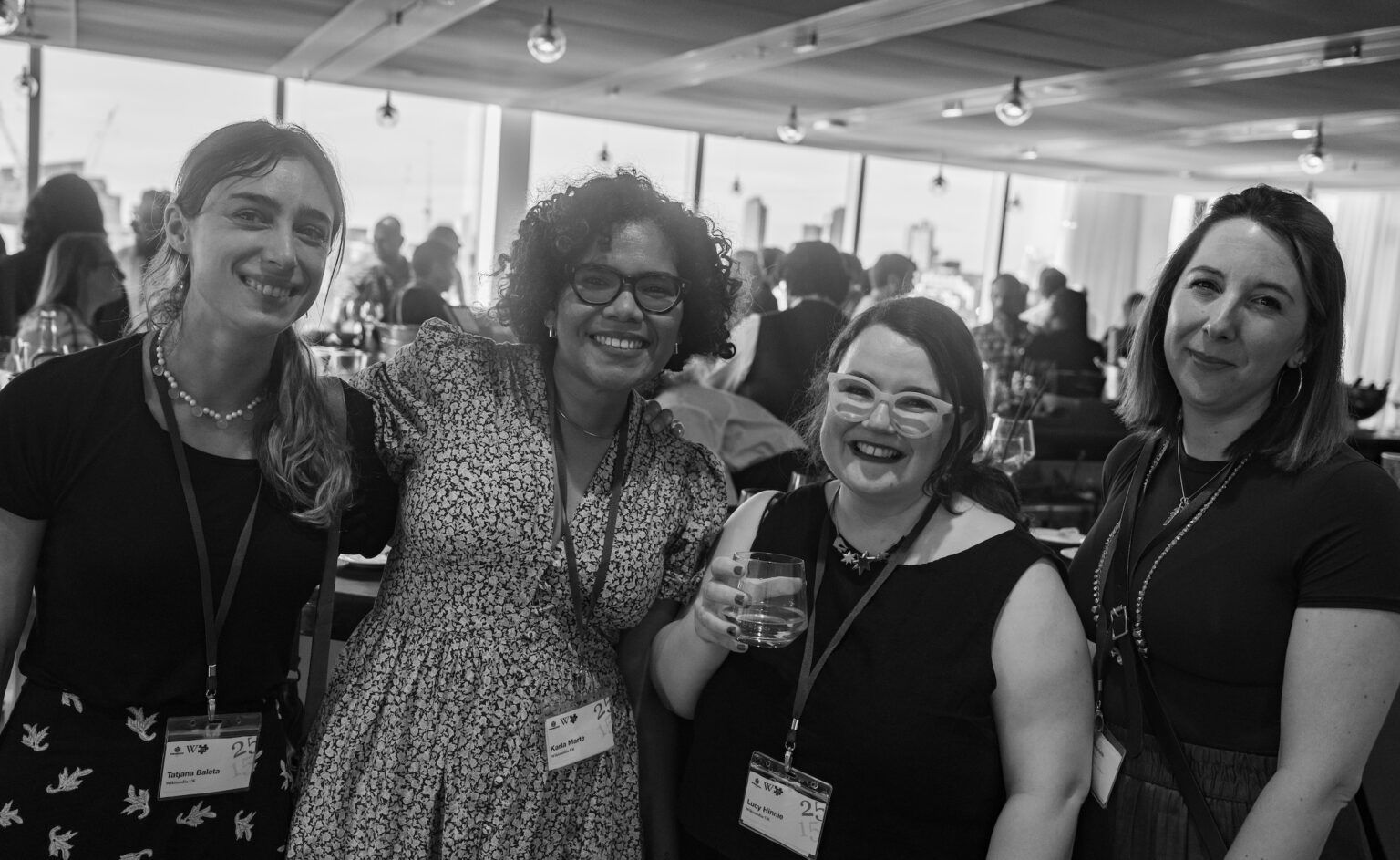
As we mark these landmark anniversaries, we are also inviting everyone to be part of Wikimedia UK’s Gift Knowledge Your Way birthday campaign. Not everyone wants to edit Wikipedia, and that’s completely okay. There are many ways to support open knowledge, and one of the most powerful is by making a donation. Your support helps Wikimedia UK continue its work with volunteers, educators, cultural institutions and communities across the UK to make reliable information more open, accessible and representative. Please consider making a gift today and helping us build the next chapter of open knowledge.
Thank you
Many thanks to everyone who joined us, contributed to the milestone celebrations and continues to make open knowledge possible. Particular thanks go to our Chief Executive, Lucy Crompton-Reid, our Chair, Lucy Yu, and our Vice Chair and Treasurer, Alex Ashby, for helping make the occasion so special.
Here’s to the next chapter: more knowledge, more participation and more people empowered to make informed decisions about the world around them.
EVENTS
Hints and tips on the translation of articles
Translation plays a major role in expanding free knowledge on Wikimedia projects. Through translation, knowledge created in one language becomes accessible to speakers of other languages, thereby promoting linguistic diversity, inclusiveness, and knowledge equity.
Despite the availability of translation tools on Wikimedia platforms, many translated articles suffer from poor language structure, direct machine translation, and lack of proper references. This reduces the quality and reliability of translated content. Many new translators also lack proper orientation on best practices for article translation. Hence, this event intends to provide practical hints and tips that can improve the quality of translated articles on Wikimedia projects.
Come and find out effective methods and best practices for translating articles on Wikimedia platforms and how Wikimedia translation tools can be effectively utilised.
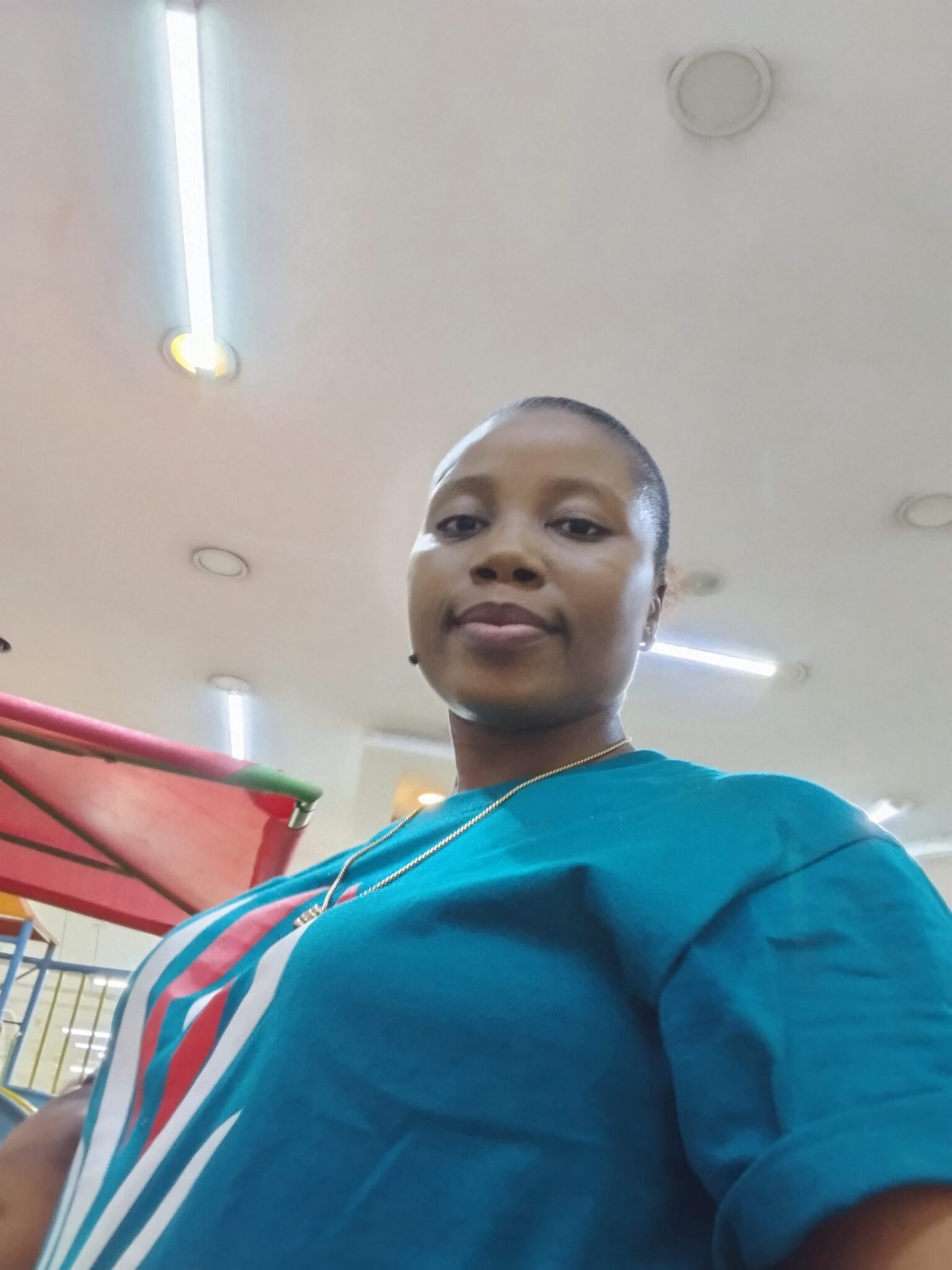
About Chinwedu
Chinwendu Peace Anyanwu (Akwugo) is a language preservation advocate, and Wikimedia contributor passionate about promoting free knowledge in digital spaces. She actively supports initiatives focused on indigenous language documentation, Women digital literacy and community engagement. She contributes to expanding access to knowledge while empowering individuals and communities to preserve and share their cultural heritage.
Improving Wikidata references: A hands-on workshop with the Reference Validator tool
This session will introduce the Wikidata Reference Validator tool, which helps identify whether references used in Wikidata items are still accessible or have gone offline. Reliable references are essential for ensuring the quality and trustworthiness of Wikidata, and this session will focus on practical ways to improve them.
Participants will learn how to:
1. Use the Reference Validator tool to check if references are active or broken
2. Understand why maintaining valid references is important for Wikidata
3. Navigate from the tool to Wikidata to fix and update references
This will be a hands-on, beginner-friendly workshop where participants can follow along, explore the tool, and work on real Wikidata items together. By the end of the session, participants will have improved references and gained confidence in maintaining data quality on Wikidata.

About the presenters
Josef Anthony is a Wikimedian focused on Wikidata, technical contributions, and community capacity building. He is the founder of the Arewa TechCom initiative and has led training sessions focused on Wikimedia tools, data quality, and underrepresented knowledge.
Nurah Wakili is an emerging Wikimedian from the Arewa Techcom community with an interest in Wikidata, Wikimedia tools, and technical skills development. She will be co-facilitating the session as part of ongoing community capacity-building efforts.
Exploring the Wikidata Toolbox
Wikidata tools are software applications and interfaces that allow users to interact with and utilise the data stored in Wikidata. Wikidata gadgets are optional user scripts that enhance the functionality and user experience. Overall, these tools and gadgets generally help to facilitate data contribution, querying, visualization and other forms of editing on Wikidata.
The session is focused on exploring the functionality and use cases of selected Wikidata tools/gadgets (about 4 – 5), with a live demo.
At the end of this session, participants will be able to:
1. Identify and understand the key features and functionality of Wikidata tools.
2. Manage and contribute to Wikidata using the explored tools.

About Chinonso
Chinonso Chidi (User:King ChristLike) is an administrator on the Igbo Wikipedia & Igbo Wiktionary, and rollbacker on Wikidata. He is a member of the Wikidata Weekly Summary Team, a technical contributor and event manager with many impactful projects. With over 200 articles created on the English Wikipedia, he has served as a jury member in several photography contests and is committed to the open knowledge movement.
Improving Wikipedia articles – Achieving ‘Featured Article’ status
The aim of this event is to guide community members through the process of enhancing Wikipedia articles to achieve Featured Article (FA) status. This session will be useful for anyone wanting to improve their Wikipedia articles.
Harry will offer personalised support to up to three community members. Those selected will receive dedicated advice tailored to their specific articles or questions, helping them progress toward FA or GA status.
To sign up for Harry’s advice, please register for the event and then email Rupal to put have your name put forward.
We will organise additional sessions if there is further demand for customised guidance on getting articles to FA or GA.
About Harry
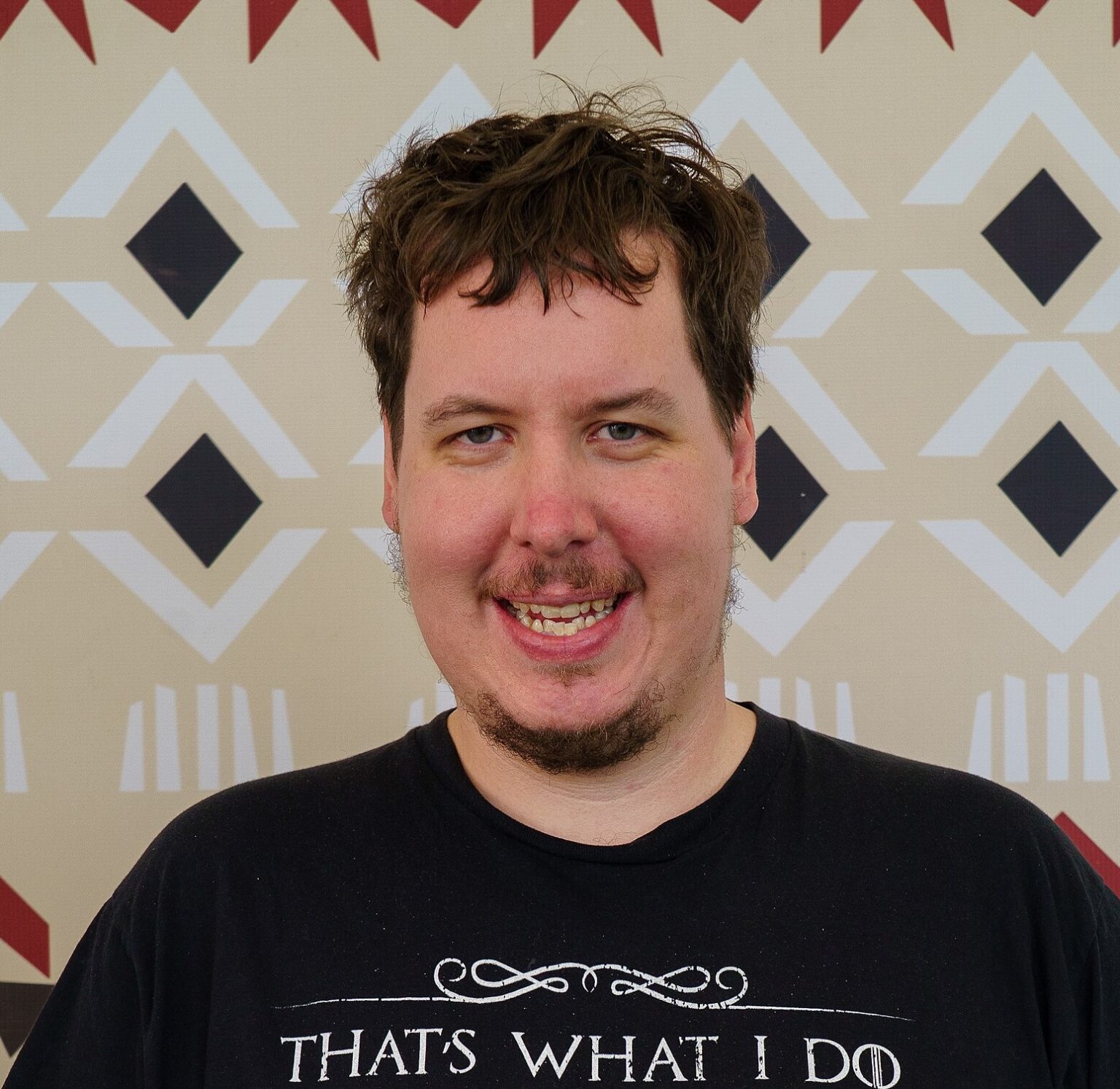
Harry Mitchell has been editing the English Wikipedia since 2009 and has written over 40 featured articles, mostly on humanities subjects including history and architecture. He can advise on sourcing requirements, copy editing, and other factors for a successful FAC nomination.
Following a competitive procurement process, Wikimedia UK is pleased to announce the redevelopment of its website in partnership with Hotfoot Design,
This major investment in our digital future has been made possible through a generous legacy gift from the late Mr Nicholas Timothy David Stone. We’re deeply grateful to Mr Stone for this lasting contribution to our work, and to his estate for ensuring that the gift was safely received. It’s thanks to this generosity that we’re able to move forward with a project that will strengthen how people access, understand and support our work.
The new website will create a more accessible, engaging and effective digital home for Wikimedia UK. It will make it easier for people to discover our programmes and partnerships and learn more about the importance of free and open knowledge. We’ll have easier ways to get involved through volunteering, donating and participating in our work.
Accessibility and participation sits at the heart of the redevelopment. The new site will help us better serve our communities, communicate our impact, and provide stronger pathways for supporters, partners, contributors and the wider public to engage with our mission.
We’re excited to be working with the Hotfoot team over the coming months and look forward to sharing updates as the project progresses.
Wikimedia UK extends its sincere thanks once again to the late Mr Nicholas Timothy David Stone and his estate for making this important project possible.
It’s now roughly halfway through the 2026 Wiki Loves Earth campaign, which runs 1 May – 30 June. Here’s a little bit about how some of our Programmes staff based in Wales, England and Scotland have been using their time, voluntarily, to raise awareness, encourage participation and highlight the different ways people can get involved with the competition.
Gemma Coleman | Wales
I love nature and I’m always taking photos of things that strike me or of plants I want to identify. But for some reason, “Wiki Loves Earth” didn’t feel immediately relevant. Making time to travel to a protected area felt hard, all I have is the phone on my camera and I’m not even really a competent photographer!
But as someone who is always taking (bad) photographs it was fun going through the pictures on my phone. There was the strikingly moody sunset at Nant Gwrtheyrn on a drizzly November evening. I was in the area for a residential Welsh course rather than the nature but the Llŷn Peninsula coast is an Area of Outstanding Natural Beauty so eligible for Wiki Loves Earth! There was the cow parsley I snapped on a lunch time walk to feed into my plant ID app. And there was that time I came across a fin whale carcass!
I’m still no photographer and these still aren’t the greatest pictures in the world. But it was fun to reminisce on what I’d already taken over the year (and it was an excuse to create the Beached whales in Wales category, which didn’t exist yet!)
Wiki Loves Earth in Wales page: https://commons.wikimedia.org/wiki/Commons:Wiki_Loves_Earth_2026_in_Wales
List of protected natural areas in Wales page: https://commons.wikimedia.org/wiki/Commons:Wiki_Loves_Earth_in_Wales/Protected_natural_areas
Richard Nevell | England
One of London’s highlights is the amount of green space. Even a megacity can have a place for nature. With that in mind I thought I’d see where the nearest eligible place for Wiki Loves Earth is. The first challenge is avoiding the red herrings. London has lots of parks, but the competition is specifically about protected places. The most common designation is Site of Special Scientific Interest, so was the best choice for something nearby. Just over 40 minutes on the bus took me within a short walk of the Chingford Reservoirs. I checked the route to the reservoirs on Google Maps and my plan was to go to the reservoirs and take a snap from the road.
So far so good!
On arrival, I was struck by the size of the embankment around the reservoirs which reminded me of the remains of Iron Age hillforts, and were calling out to be climbed. However, I couldn’t see the reservoir from the road. One thing I should have considered was whether I could get into the protected area and a large metal fence made it clear that wasn’t going to be possible. Though it’s not what I expected, I do quite like the photograph, though you probably wouldn’t know it’s a reservoir unless someone told you as much. The moral of the story is: if you are making a trip just to visit to take a photograph, check if there is access. And if that fails, find somewhere nearby to get a consolation snack.
Wiki Loves Earth in England competition page: https://commons.wikimedia.org/wiki/Commons:Wiki_Loves_Earth_2026_in_England
List of protected natural areas in England page: https://commons.wikimedia.org/wiki/Commons:Wiki_Loves_Earth_in_England/Protected_natural_areas
Sara Thomas | Scotland
Living in Glasgow, I’m normally more of a Wiki Loves Monuments participant than Wiki Loves Earth. But I’ve been thinking a lot recently about how the Wikimedia projects help us to interact with physical space and location, which led me to the Possil Marsh article on en.wiki. If you’re familiar with the city you’ll know that North Glasgow often has a reputation primarily characterised by its experience of poverty rather than its rich community spirit or industrial history, but I know Possil Marsh (a Nature Reserve and a Special Site of Scientific Interest), Hamiltonhill Claypits, the nearby River Kelvin, and the Forth & Clyde Canal as havens for nature, and reminders of why Glasgow’s Dear Green Place nickname remains quite so apt. I guess that it may be unexpected to find SSSIs within city boundaries, but Glasgow has two!
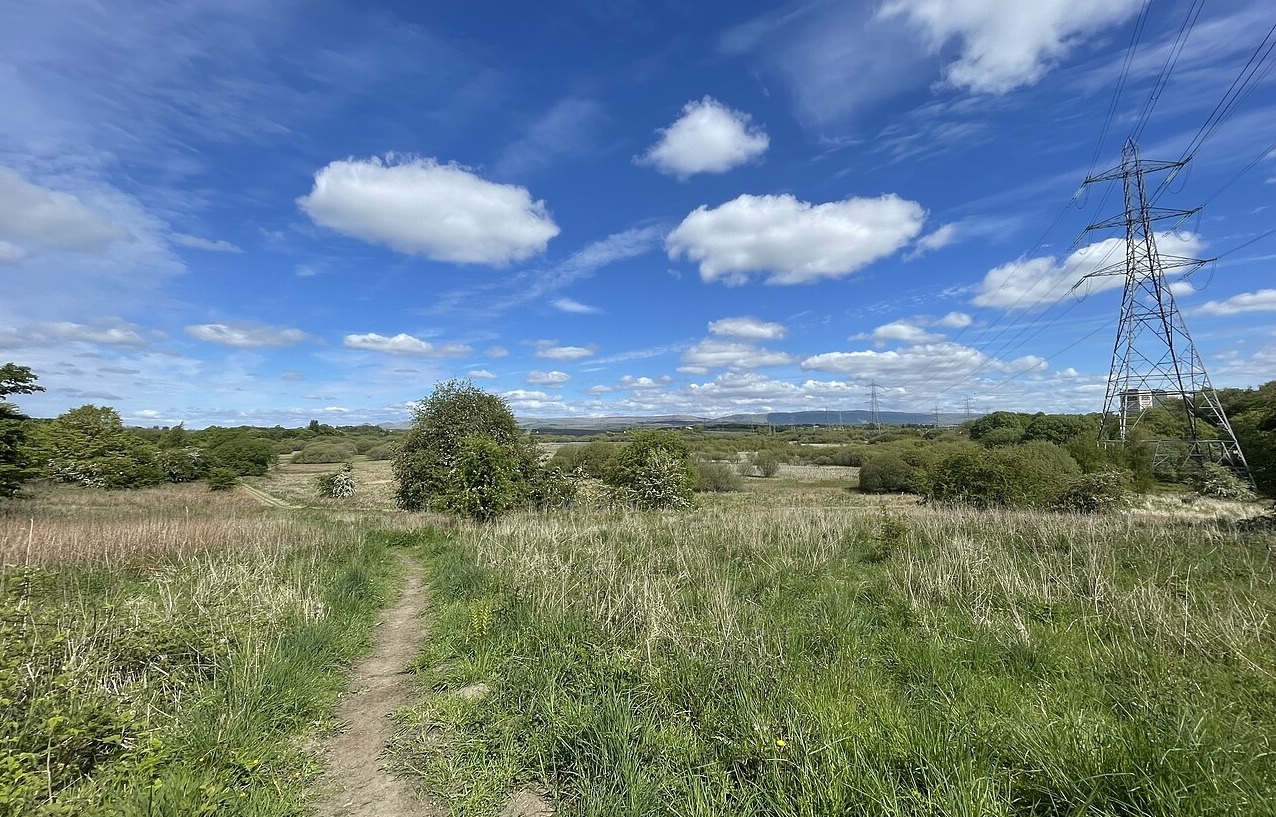
Pictures make a difference when it comes to Wikipedia, and the Possil Marsh article only had one image, which was taken in 2009. I wanted to expand on that, to give more of a sense of what the place feels like, and what you can find there. With it being Wiki Loves Earth season, it seemed like an appropriate time to take a sunny Saturday morning wander.
I got a few good shots (well, as good as I can get on a mobile phone) showing the wider location context, some close ups of interesting plants, and found a path I’ve not taken before that let me get closer to the water to show Possil Loch itself. I’ve now added a few more images to the article, and created a new “Possil Marsh” category on Commons. Not a bad way to spend a Saturday morning!
Wiki Loves Earth in Scotland competition page: https://commons.wikimedia.org/wiki/Commons:Wiki_Loves_Earth_2026_in_Scotland
List of protected areas in Scotland page: https://commons.wikimedia.org/wiki/Commons:Wiki_Loves_Earth_in_Scotland/Protected_natural_areas
If you’re in Northern Ireland, you can find out more about the Irish competition here: https://wikimedia.ie/2026/05/01/wiki-loves-earth-2026-in-in-ireland-and-northern-ireland-photography-competitons-are-open/
Season 2
By Rupal Karia – Outreach & Community Coordinator | 22 Apr 2026
We are excited to announce a second season of the virtual Sandbox Session and invite community members to propose sessions they are interested in leading. Community Sandbox Sessions offer a space for community members to share their learning, meet other Wikimedians and try new things. They are volunteer-led events, supported by Wikimedia UK.
Our first season featured sessions on the Wikidata tool Duplicity, how to edit calmly in controversial areas, a wikisource transcribe-a-thon, smell-related content on Wiki, and being an en.wiki admin! Huge thanks to all our presenters – Josef Anthony, Femke Njise, Martin Poulter, Lucy Moore, and Harry Mitchell.
The type or format of an event is open; however, we’d like to encourage proposals which go beyond the traditional Wikipedia edit-a-thon. Maybe there is something you do on Wikimedia projects you’d like to do in community with others? Here are some session suggestions.
- A talk on how to advocate for the release of images from a collection
- Here’s how I overcame hurdles related to adding under-represented content
- Let’s add images to Wikipedia from this collection
- My special niche on Wikimedia projects
- Let’s spend an hour thanking people on Wikipedia
- Let’s build a worklist and find reliable sources for this under represented topic on Wikipedia
- Hints and tips on translation of articles
- Here’s a cool Wikidata tool I’ve found, let’s try it out
- How to add structured data to images
- Add pictures to articles together
- If you have extended user rights and are involved in the governance of Wikipedia tell us about your role
- Here’s how I got this article to Featured Article status
We would love to hear any other ideas that you might have.
Support WMUK can offer
- Advice on refining your format
- Setting up of Event Registration
- Event promotion through UK listings & mailing lists
- Hosting on the WMUK Zoom account / Google Meet
- Friendly space support from a WMUK staff member (or volunteer) during the event
Dates and times
Events can take place throughout the year, and can also be on an evening or weekend. Suggested duration is an hour, but longer (or shorter!) events could be considered. We’re suggesting that these events are online in the first instance, to reach the widest possible audience, and all events should of course be run in line with the Wikimedia UK Safe Space policy.
If you’re interested in running a session, please submit a proposal here.
Deadline
The initial deadline for submitting proposals is 18th May 2026. If you have any questions, please contact rupal.karia@wikimedia.org.uk
Season 1
By Dr. Sara Thomas – Programme Manager | 24 April 2025
Do you have an idea for a Wiki-learning session? Have you found something that you’d like to share with other Wikimedians, or an idea that you’d like to try out? And would you like some help from Wikimedia UK in sharing it?
In response to feedback from the community around having opportunities to improve Wiki-skills, and connecting with other community members, and as part of the overall training package for 2025, we’re excited to introduce a new strand of event programming, called Community Sandbox Sessions.
We’re looking to programme up to 6 virtual events over the next year, which would be open to all members of the UK community, and supported by Wikimedia UK. We’re asking community members to propose sessions that you’d like to lead.
Session suggestions
The type or format of any event is open; but we’d like to encourage proposals which go beyond the traditional Wikipedia editathon – for example:
- Here’s a cool Wikidata tool I’ve found, let’s try it out
- Wikisource transcribe-a-thon
- A talk on how to run backstage pass events
- Here’s how I got this article to Featured Article status
- Let’s add images from this collection to Wikipedia
- A mobile meeting where we take pictures of our local area for Wikimedia Commons
- Minoritised language work – eg: adding Wikidata labels
- Building a worklist & finding reliable sources for future events
Dates and times
Events can take place throughout the year, and can also be on an evening or weekend. Suggested duration is an hour, but longer (or shorter!) events could be considered. We’re suggesting that these events are online in the first instance, to reach the widest possible audience, and all events should of course be run in line with the Wikimedia UK Safe Space policy.
Support WMUK can offer
- Advice on refining your format
- Setting up of Event Registration
- Event promotion through UK listings & mailing lists
- Hosting on the WMUK Zoom account / Google Meet
- Friendly space support from a WMUK staff member (or volunteer) during the event
This is very much an experiment, and we hope that the format will allow community members to share knowledge and skills, and get to know other UK Wikimedians, as well as test out new ideas! If you’d be interested in running a session, please submit a proposal here.
Deadline
The initial deadline for submitting proposals is Tuesday 20th May.
If you have any questions, please contact sara.thomas@wikimedia.org.uk.
By Dr. Sally Latham, Education Lead at Wikimedia UK |
I came to the role of Education Lead at Wikimedia UK after 20 years of teaching A level Philosophy in a Further Education college. I had always strongly felt that critical thinking skills should be taught to all young people, regardless of social or educational background. This will enable us to move toward a more equitable society and see more diversity in politics, media and society in general.
The changing face of education in the digital age
Over my many years of teaching, I saw gradual changes in how young people engage with the digital world. I also saw how those changes became drastic over time. Students have always been passionate about causes, always curious and keen to learn about the world they lived in. But they were increasingly being exposed to more information than ever before. That information came from more sources and also arrived at a faster pace than ever before.
The philosophical skills I was teaching them had always been about critically engaging with information they are given, learning how to spot good from bad arguments, questioning what they are told and having the confidence to articulate their own thoughts and opinions. But now these skills are crucial in navigating the digital world in an age of misinformation, disinformation and conspiracy theories, and where developments in AI blur the boundaries of truth and fiction. Those students who did not develop these skills are increasingly at risk of polarisation, or at worst radicalisation.
The digital divide and education.
During my time in education I was also involved in widening participation in Higher Education, running programmes to help students overcome barriers to reaching top universities. Many of our students were the first generation to go into post-compulsory education and came from a variety of challenging backgrounds. Socio-economic barriers had always existed, but now the digital divide added a new dimension to inequality.
Digital poverty includes a lack of access to technology and online information. It also needs to be understood as poor information literacy. If students cannot critically assess the digital information they encounter, they become vulnerable. They are more exposed to misinformation and disinformation. As a result, they are also more vulnerable to harm. Since 16-year-olds will soon be able to vote in general elections, they will become targets online. Fake news and conspiracy theories are likely to focus on them. Students also need to learn how to check sources. They must assess information for reliability. They also need to use AI responsibly and effectively. Without these skills, they may struggle academically at university. This can lead to higher dropout rates. It can also widen educational divides.
From the Classroom to Wikimedia UK
The move from teaching to Education Lead at Wikimedia UK was something that was very natural for me. Wikimedia UK is the UK chapter of the Wikimedia Foundation, a charity supporting all the Wiki projects and community of volunteers. The most well-known of these projects is of course Wikipedia. When I began teaching most teachers still warned against using Wikipedia as a research tool. Times have changed, although some misconceptions about Wikipedia do still exist.
Why Wikipedia should be used in the classroom
At the heart of Wikimedia UK’s work is the belief that every human should have free and equal access to the sum of all human knowledge. The charity works hard to break down barriers which prevent individuals and groups from accessing and shaping open knowledge. Wikipedia itself is the product of collaboration and the work of volunteers across the globe who produce, edit and monitor its content. Campaigns and projects work to increase representation on Wikipedia, both in those contributing and in the content, and young people play an important part in that process.
Wikipedia also strives for the core principle of neutrality, with articles giving proportionate weight to different viewpoints when they exist and lacking bias or opinion. Combined with the principles of transparency (all edits are visible) and verifiability (articles strive to be clearly sourced) Wikipedia is one of the few places where young people can go for a neutral, unbiased perspective. In a world of fake news and influencers this is more important than ever.
Where Wikimedia UK comes in
Wikimedia UK encourages critical evaluation of online information, including of Wikipedia itself. Some articles need improving in content or citation, and there are knowledge gaps to be filled. Debates occur on the talk pages about the best way to present information. But all of this encourages complexity resilience, being more comfortable with an increasingly ambiguous, complex, and difficult world, rather than simply offering definitive answers or actions (like conspiracies theories or answers given by AI often do).
Following the Curriculum and Assessment Review of English schools, media and information literacy has been recognised as a crucial part of education. At Wikimedia UK we are committed to helping teachers and students navigate this increasingly complex and important topic by providing teacher training, classroom materials and workshops.
I am proud to be part of something that will empower young people to build digital resilience, safeguarding their wellbeing and allowing them to make informed decisions as they become the ones to shape the future.
Interested in Workshops or Collaboration? Let’s Talk
My role as Education Lead at Wikimedia UK involves developing materials and workshops to teach young people crucial media literacy skills. If you are an educator interested in bringing this work to your school or college, or an organisation looking to collaborate on media literacy projects I would love to hear from you.
Dr Sally Latham (sally.latham@wikimedia.org.uk)


.jpg)
